Meal Planning for Beginners: A Simple Weekly System
Meal planning does not have to be complicated. This beginner-friendly weekly system saves time, money and the dreaded "what is for dinner" panic.
The real reason meal planning matters
The average household throws away roughly a third of the food it buys and spends far more on last-minute takeout than they realize. Meal planning is the single highest-leverage habit for eating better, spending less and reclaiming your evenings. When dinner is already decided, weeknights stop being stressful.
Step 1: Pick a planning day
Choose one consistent day each week to plan and shop — Sunday works for many people. Treat it like an appointment. Fifteen focused minutes now saves you hours of decision-making later in the week.
Step 2: Take inventory first
Before writing a single recipe, look at what you already have. Check the fridge, freezer and pantry. Planning meals around ingredients you own reduces waste and shrinks your grocery bill immediately.
Step 3: Choose a rotation of meals
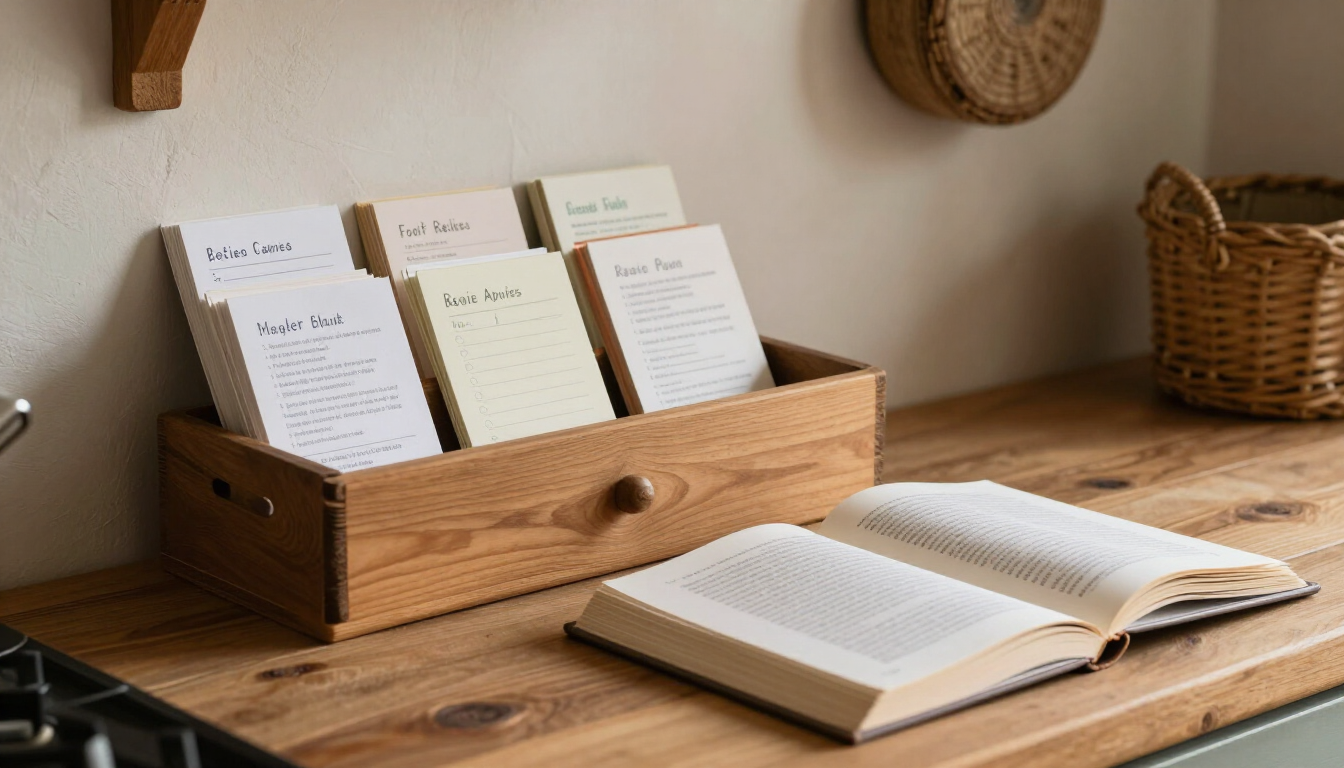
You do not need 30 different recipes. Most families happily rotate through 10 to 12 reliable dinners. Build a master list of meals everyone enjoys, then pull from it each week. Themes help too: Meatless Monday, Taco Tuesday, Pasta Friday.
Turn these tips into action
Skip the setup and start today with our beautifully designed templates, planners and guides — instant downloads, delivered the moment you check out.
Step 4: Build your grocery list by category
Organize your shopping list by store section — produce, dairy, pantry, frozen — so you move through the store efficiently and avoid backtracking. A structured meal planning template makes this effortless and keeps you from forgetting the one ingredient you actually needed.
Step 5: Prep what you can in advance
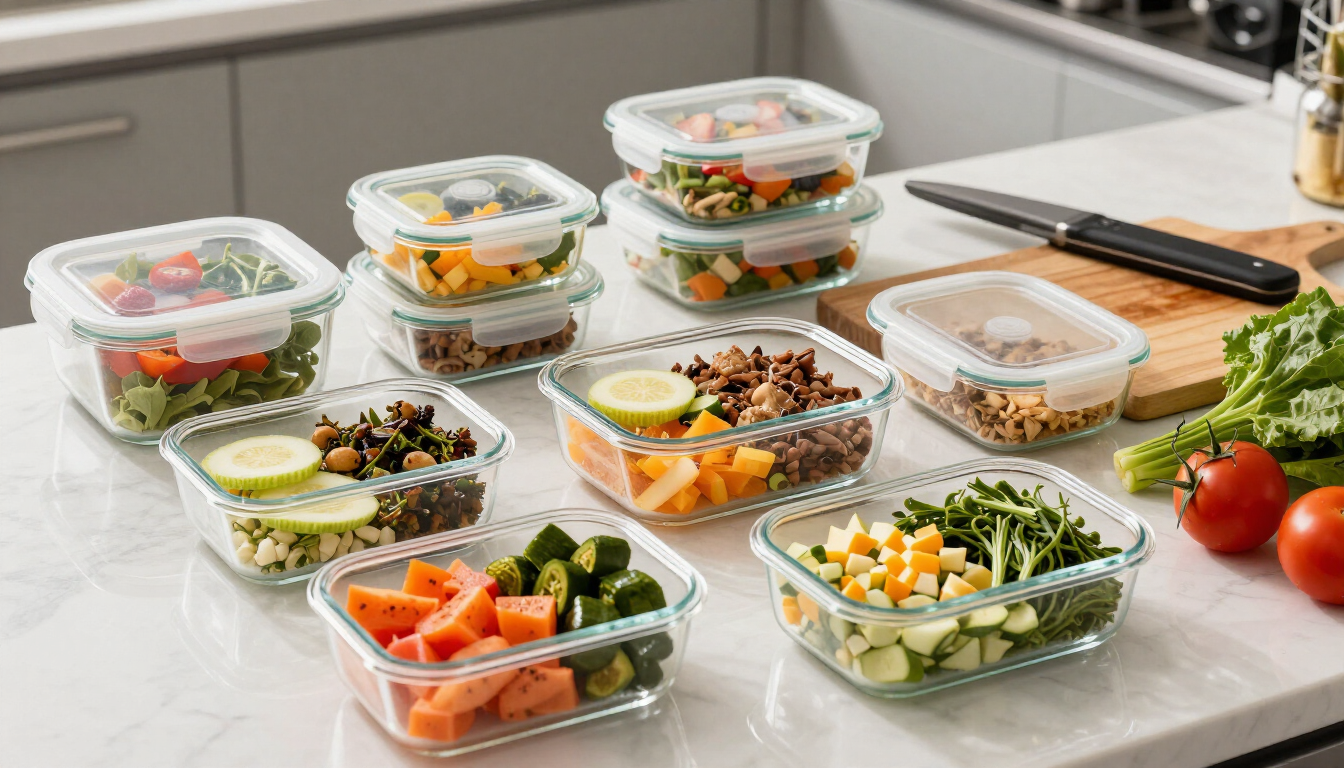
You do not have to cook everything on Sunday, but a little prep goes a long way. Wash and chop vegetables, cook a batch of grains, marinate proteins. Even 30 minutes of prep turns weeknight cooking into simple assembly.
Step 6: Stay flexible
Life happens. Build in one "flex night" for leftovers or a spontaneous meal out. A plan you can adapt is a plan you will actually keep.
Common meal planning mistakes to avoid
Beginners often over-plan, choosing ambitious new recipes for every night and burning out by Wednesday. Start small: plan three or four dinners and let the rest be leftovers or easy staples. Also avoid shopping while hungry — it quietly sabotages even the best-laid plan.
People Also Ask
How do I start meal planning if I have never done it before?
Begin by planning just three dinners for the week. Choose recipes you already know, take stock of what you have, and build a simple grocery list. Once three meals feel easy, gradually expand to a full week.
How much money can meal planning save?
Many households save 20 to 30 percent on groceries and dramatically cut takeout spending. The savings come from buying only what you need, reducing food waste and avoiding impulse purchases.
What is the difference between meal planning and meal prep?
Meal planning is deciding what you will eat and shopping accordingly. Meal prep is the hands-on cooking or chopping you do in advance. They work best together — plan first, then prep what makes sense for your week.
Turn these tips into action
Skip the setup and start today with our beautifully designed templates, planners and guides — instant downloads, delivered the moment you check out.